The achievements in the development of science, technology and technology in the 4th industrial revolution (industry 4.0) have opened up opportunities to promote and communicate creative works more quickly and widely than ever before. However, this also raises the issue of copyright protection becoming urgent, especially when copyright infringement is increasing like "mushrooms growing after the rain".
So how does the law regulate copyright infringement and what sanctions are being implemented to solve this problem?
To better understand copyright infringement, it is necessary to grasp the concept of copyright. According to the provisions of Article 4 of the Law on Intellectual Property, copyright is the right of individuals and organizations to works that they create or own.
Acts of copyright infringement are listed in Article 28 of the Intellectual Property Law and guided in detail in Decree 17/2023/ND-CP, including:
- Infringing on moral rights.
- Infringing on property rights.
- Failing to perform or inadequately performing the prescribed obligations.
- Deliberately canceling or disabling effective technological measures of authors to protect their copyrights.
- Manufacture, distribute, import, offer for sale, sell, promote, advertise, market, lease or store equipment, products, components, introduce or provide services for commercial purposes knowing or having grounds to know that such are manufactured or used to neutralize technological measures to protect copyright.
- Knowingly delete, remove, or alter rights management information without the author's permission when knowing or having grounds to know that this act will instigate, facilitate or conceal copyright infringement.
Overall, copyright infringement can be classified into three main groups, including infringement of moral rights, property rights, and copyright protection measures. This act is a violation of the law of organizations and individuals, causing damage to the interests of creators or owners of works.

The Intellectual Property Law clearly stipulates measures to handle acts of infringement of intellectual property rights as follows:
- Depending on the nature and severity of the violation, organizations and individuals may be handled by civil, administrative or criminal measures.
- In urgent cases, competent state agencies may apply temporary emergency measures, measures to control intellectual property-related exports and imports, and other measures to prevent and secure administrative sanctions.
- Civil liability: Regulations on civil measures to handle infringement of intellectual property rights are recorded from Articles 202 to 210 of the Intellectual Property Law. This includes compensation for damages, forced repairs, restitution, and other measures to restore the rights of the infringed entity.
- Administrative liability: Administrative measures apply penalties for acts of copyright infringement in cases that cause damage to authors, owners, consumers or society. In addition to fines, remedial measures such as forced repairs, revocations, or business bans may also apply.
- Criminal liability: Acts of copyright infringement can be considered crimes under the Criminal Law, with penalties ranging from fines to imprisonment depending on the nature and severity of the offense.

.png)
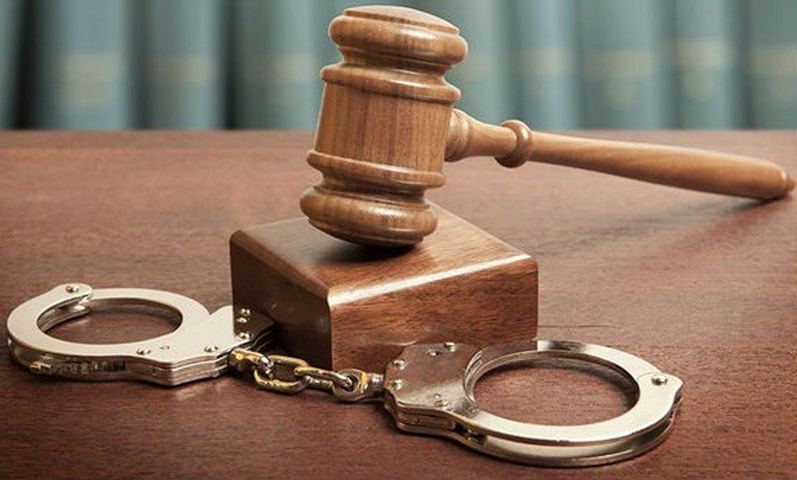
Vietnamese law has provided a clear and detailed legal framework for handling copyright infringement, in order to protect the rights of creators and encourage equitable development in society. If you need advice on this issue, please contact us for support.
Please contact us:
A DONG IP – TRANSLATION – CONSULTANCY COMPANY
Room F2&F3, No. 2 Phung Khac Khoan Street, Da Kao Ward, District 1, Ho Chi Minh City, Viet Nam
Tel: 84-28 3926 0120 – 39260125
Email: consultant@a-dong.com.vn; info@a-dong.com.vn
Website: a-dong.com.vn





 have opened up opportunities to promote and communicate creative works more quickly and widely than ever before. However, this also raises the issue of copyright protection becoming urgent, especially when copyright infringement is increasing like )