It is very difficult to prove ownership without being registered for protection. Especially for creative works that have been created for a long time. The registration of copyright helps the author obtain a Registration Certificate, the most important document to prove his ownership.
Although Vietnam's Intellectual Property law stipulates that copyright is automatically protected, copyright registration is still an important action to protect the intellectual property of the work owner.
1. What is copyright?
- Copyright is the right of an individual or organization to a literary, scientific, software, etc., work, created or owned by the author himself. The work must be an intellectual product created by the author himself and not copied from a known source.
2. What is copyright registration?
- Copyright registration is an administrative procedure conducted by the author or owner of the work, submitting a copyright registration dossier to the registry to record the intellectual property rights of the work.
- After being granted a certificate by the Copyright Office, the owner of the work will have the exclusive right to use the registered work in the territory of Vietnam.
- Copyright registration is not mandatory under the Intellectual Property Law, but registration will prove who owns the work when a dispute arises.

1. Protection of authors' rights:
- Copyright registration ensures that the creator of the work is against unauthorized use acts such as copying and misusing the work without their consent.
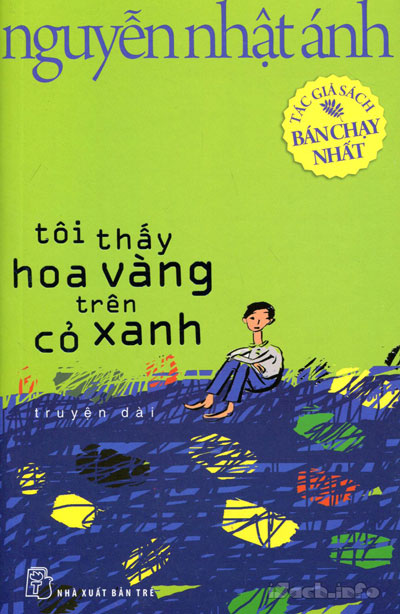
Example: An author writes a novel and registers the copyright. When someone else copies or publishes it without permission, the author can easily prove ownership and claim damages.
2. Certification of creativity and encouragement of creativity:
- Creating a valuable and creative work requires a lot of effort, time, and finance for the author. The registration of copyright is a certification of the author's creativity and effort, encouraging their work spirit.
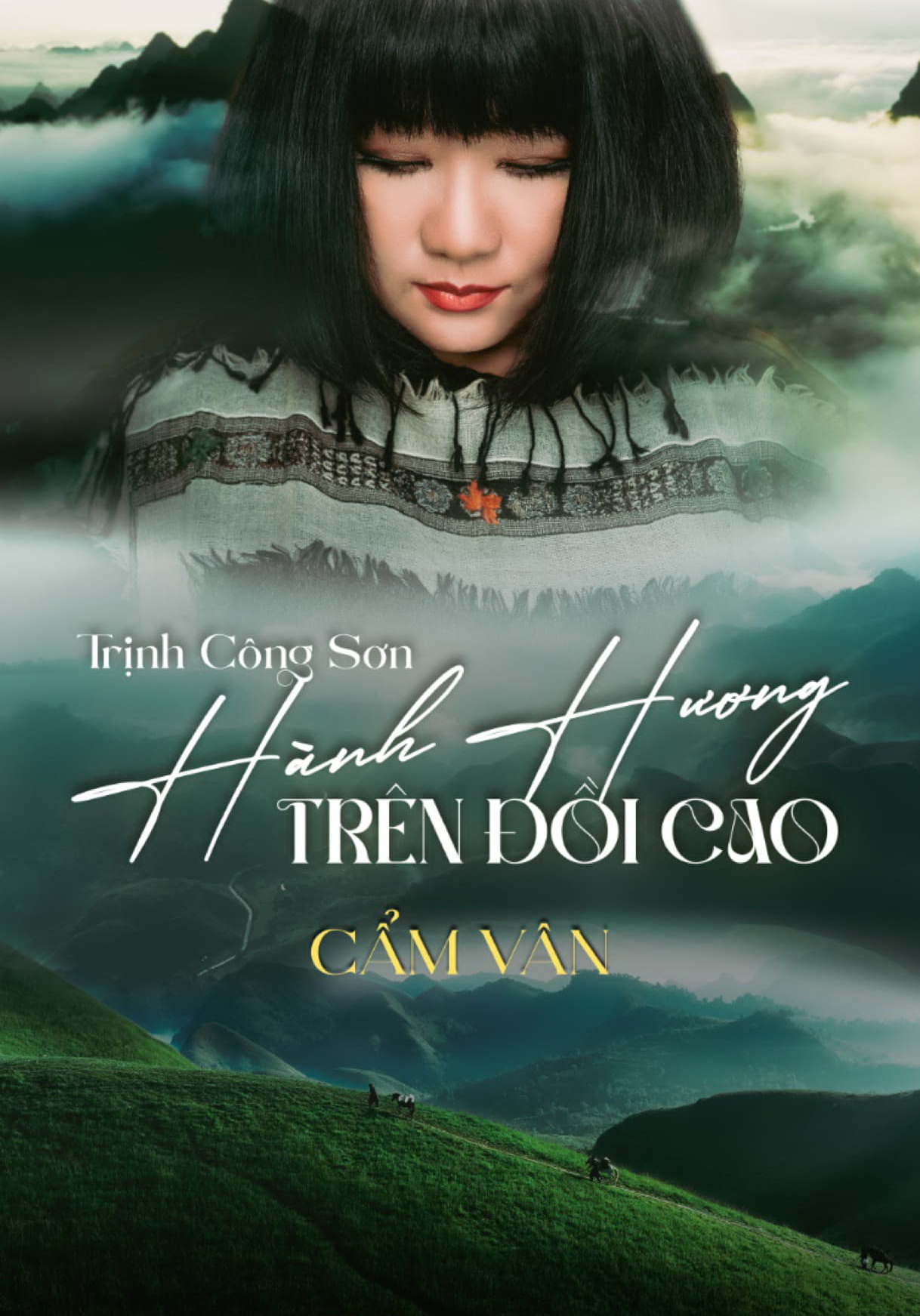
Example: A programmer develops a piece of software and registers a copyright. This not only protects the software from being copied, but also recognizes the effort and wisdom of the programmer.

3. Economic benefits:
- A creative, unique, and valuable work can bring many economic benefits to the author and owner. Registration for copyright protection means declaring legal ownership of the work, avoiding illegal profiteering.
For example, a photographer takes a unique photo and copyrights it. When an organization wants to use the photo for commercial purposes, they will have to pay royalties to the author.
4. Proof of ownership in case of dispute:
- In fact, it is very difficult to prove ownership without being registered for protection. Especially for creative works that have been created for a long time. The registration of copyright helps the author obtain a Registration Certificate, the most important document to prove his ownership.
Example: An artist paints a painting many years ago but has not registered the copyright. When there is a dispute over ownership, it will be very difficult to prove one's rights without valid documents.
According to the Intellectual Property Law, the following types are subject to copyright registration:
- Literary, scientific works, textbooks, textbooks and other works.
- Lectures, speeches, and other speeches.
- Computer programs, data collection.
- Cosmetic works, applied fine arts.
- Photographic works.
- Architectural works.
- Drawings, diagrams, maps and drawings related to topography and scientific works.
- Journalistic works.
- Musical works.
- Theatrical works.
- Cinematographic works and works created by the same method.
- Literary and folk art works.
Thus, when the work is completed, the author or owner of the work will carry out registration procedures with the authorities to prove that he or she is the legal owner of the work and have the exclusive right to use the work in Vietnam.
According to the provisions of law, copyright includes property rights and moral rights:
1. Moral rights:
- Give the work a name.
- Using your real name or pseudonym on the work; be given their real names or pseudonyms when the works are published and used.
- Publish the work or allow others to publish the work.
- Protect the integrity of the work, prevent others from modifying, mutilating or distorting the work, causing harm to the honor and reputation of the author.
2. Property rights:
- Making derivative works.
- Performing the work in public.
- Copy the work.
- Distributing or importing originals or copies of works.
- Communicating the work to the public by wired, radio, electronic information network or any other technical means.
- Renting originals or copies of cinematographic works or computer programs.
- In case of disputes, the copyright registration certificate is the best evidence proving the author's ownership of the work.
- The copyright registration certificate is also a document proving the ownership of the work, which is used when valuing the company's assets in case of equitization, merger and acquisition.
- The registration also helps the owner to carry out a number of administrative procedures with the competent state agency.
With the above benefits, authors and copyright owners should apply for a copyright certificate at a competent state agency so that their works are protected in the best way, against infringements.
Please contact us:
A DONG IP – TRANSLATION – CONSULTANCY COMPANY
Room F2&F3, No. 2 Phung Khac Khoan Street, Da Kao Ward, District 1, Ho Chi Minh City, Viet Nam
Tel: 84-28 3926 0120 – 39260125
Email: consultant@a-dong.com.vn; info@a-dong.com.vn
Website: a-dong.com.vn